

Let’s be honest. The old business continuity plan—the one focused on a server outage or a fire in the breakroom—isn’t enough anymore. It’s like bringing a raincoat to a hurricane. Today’s threats are slower-burning, more pervasive, and frankly, more chaotic. We’re talking about climate volatility and resource scarcity.
Droughts strangle supply chains. Floods swallow warehouses. Heatwaves shut down operations. And the resources you took for granted—water, raw materials, even stable energy—are becoming less predictable. This isn’t a distant “someday” problem. It’s a quarterly planning meeting problem. So, how do you build a business that doesn’t just survive, but actually finds a way to thrive in this new normal? That’s what we’re diving into.
Why Your Old BCP Is Obsolete (And What’s Different Now)
Traditional business continuity planning often assumes a rapid return to “normal” after a discrete event. A storm hits, you recover, you move on. Climate and resource disruptions, well, they don’t play by those rules.
The new disruptions are chronic and compounding. A water shortage isn’t just a 24-hour issue; it can last months, affecting everything from manufacturing coolant to employee sanitation. It’s a constant pressure, not a single blow. And these pressures love to team up—a heatwave increases energy demand for cooling just as drought reduces hydropower capacity. See the squeeze?
The Core Shifts in Mindset You Need
First, you gotta shift your thinking. It’s not just about resilience (bouncing back), but adaptability (bending without breaking). Think bamboo, not oak. Second, you move from a focus on assets to a focus on flows. It’s less about protecting your factory and more about securing the flow of water, energy, and materials into it—and the flow of goods out of it.
Building Your Climate-Aware Continuity Plan: A Practical Framework
Okay, enough theory. Here’s a practical, step-by-step way to weave climate and resource risks into the fabric of your planning. You know, to make it actually useful.
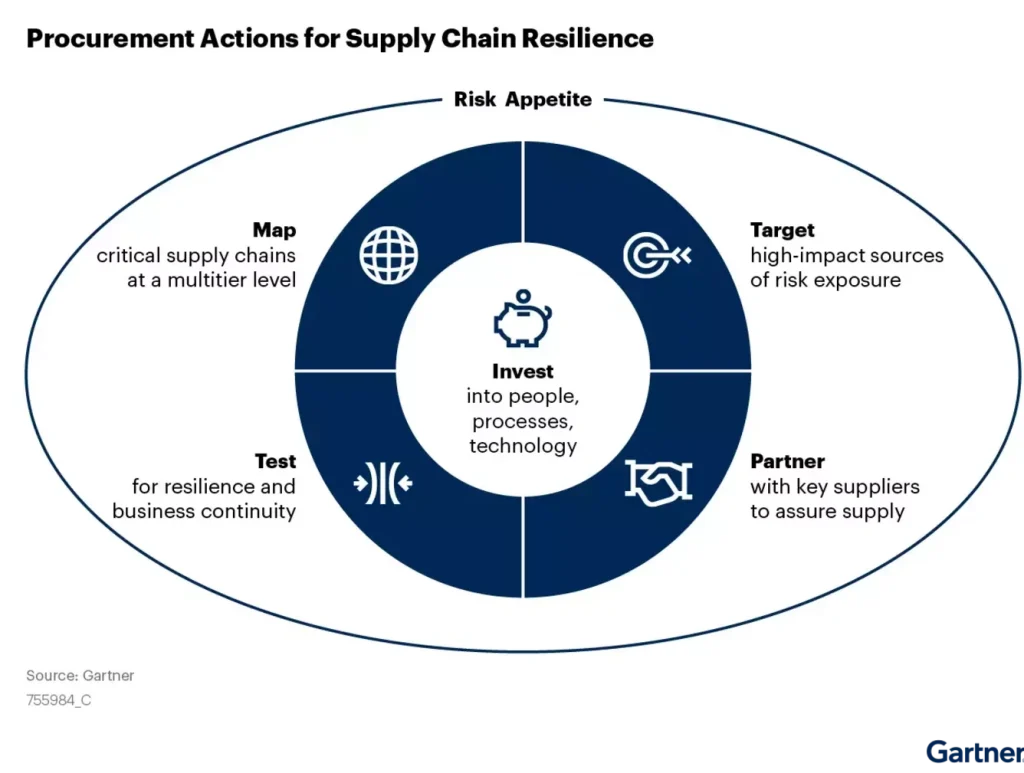
Step 1: Map Your Vulnerability Hotspots
Start with a brutally honest audit. Look at your entire value chain—not just your offices. Ask the uncomfortable questions:
- Geographic Risk: Are your key facilities, suppliers, or transit routes in floodplains, drought-prone areas, or coastal zones?
- Resource Dependence: Which single point-of-failure resources are you hooked on? (Think: a specific mineral, water-intensive processes, a grid in a region with blackouts).
- People Risk: Can your employees safely get to work in a 110-degree heatwave? Do you have plans for extreme air quality days?
Step 2: Stress-Test Your Supply Chain (Really)
“Diversify your suppliers” is easy to say. But for climate-resilient supply chains, you need to go deeper. It’s not just about having multiple suppliers; it’s about having suppliers in different geographic and climatic zones. If your only two widget makers are in the same drought-stricken region, you’re not diversified. You’re just doubling your bet on a losing hand.
Consider this quick table to assess a supplier’s climate risk:
| Risk Factor | Questions to Ask |
| Water Security | Does their region have water stress history? Is their process water-intensive? |
| Energy Reliability | Is their grid prone to outages? Do they have on-site backup (solar, gensets)? |
| Transportation Chokepoints | Are they reliant on a single port, rail line, or highway vulnerable to climate events? |
| Their Own Continuity Plan | Do they have a plan for climate disruptions? Ask to see it. Seriously. |
Step 3: Embrace the “What If” Scenarios
Run scenarios that feel almost too extreme. Because lately, they keep happening.
- “What if the river our plant draws cooling water from is restricted for 90 days?”
- “What if a key agricultural input’s yield drops 40% for two seasons straight, causing price spikes?”
- “What if we can’t ship from our Gulf Coast warehouse for a month during hurricane season?”
The goal isn’t to find perfect answers. It’s to uncover hidden dependencies and spark creative workarounds before the crisis hits.
Turning Risk into (Unexpected) Opportunity
Here’s the thing—this work isn’t just defensive. A robust business continuity plan for resource scarcity can actually make you more competitive. How? Efficiency innovations born from scarcity often lead to cost savings. A water-recycling system installed for drought resilience cuts your utility bill forever. Diversifying to local suppliers for climate security can shorten lead times and please customers wanting “local” goods.
It builds trust, too. Stakeholders—investors, customers, employees—are increasingly looking for this kind of foresight. Showing you have a handle on these systemic risks is a massive credibility boost.
The Human Element: Your Team Is Your Best Sensor
Plans sit in binders. People make things work. Empower your teams to be part of the solution. Train them on the new protocols—for heat stress, for remote work during disruptions. Encourage them to report vulnerabilities they see on the ground. That warehouse manager probably knows the drainage flaw that could cause flood damage long before the C-suite does.
And honestly, think about employee well-being as a core continuity issue. If your people are stressed about climate disasters affecting their homes and families, they can’t focus on work. Supporting their resilience supports yours.
Wrapping It Up: This Is Continuous, Not a Checklist
The final, crucial point is that this isn’t a “one-and-done” project. Climate volatility means the goalposts are always moving. Your plan must be a living document, reviewed not annually, but perhaps quarterly. It should evolve as new climate data emerges, as your business grows, as the world throws the next curveball.
So, forget the old notion of continuity as a backup generator in the basement. Modern business continuity planning for climate volatility is about building an organization that is inherently flexible, resource-smart, and acutely aware of the world it operates in. It’s the difference between being rocked by the waves and learning to sail in the storm.