

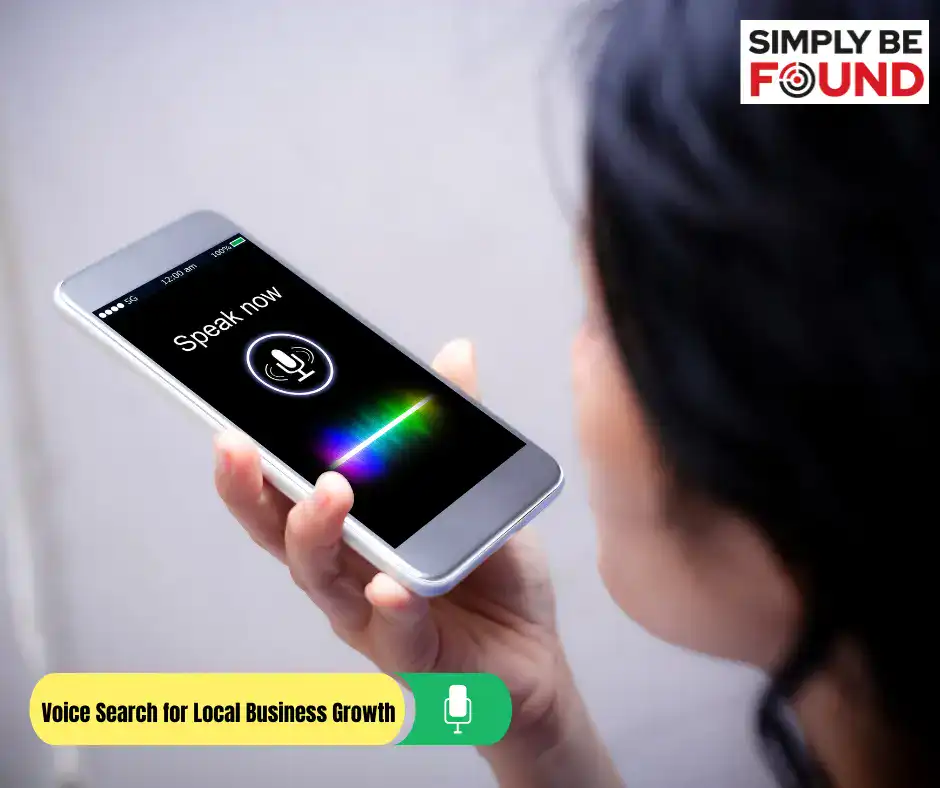
You’re standing on a street corner, phone in hand, and you ask, “Hey Siri, where’s the best coffee near me?” That’s it. No typing, no scrolling through a list of ten blue links. Just a question and an answer. And if your coffee shop isn’t the one Siri whispers back, well… you just lost a customer you never even knew was looking.
That’s the reality of voice search. It’s not some futuristic gimmick anymore. It’s how people find plumbers, pizza joints, nail salons, and hardware stores. Honestly, it’s changing the game for local businesses — and if you’re not optimizing for it, you’re basically invisible to a growing chunk of your neighborhood.
Let’s dive into what voice search optimization actually means for a brick-and-mortar shop, and how you can make sure you’re the answer when someone asks.
Why Voice Search Hits Different for Local Businesses
Typed searches and spoken searches are cousins, not twins. When you type, you might search “best tacos Austin.” When you speak, you say, “Where can I get the best tacos around here?” See the difference? Voice queries are longer, more conversational, and packed with intent. They’re also heavily local.
In fact, a huge percentage of voice searches are for “near me” type queries. People aren’t looking for a random taco place in another state. They want the one that’s a five-minute walk or drive away. And here’s the kicker: voice assistants usually give just one result. Not ten. One. If you’re not that one, you’re out of luck.
So, the stakes are high. But the good news? Local businesses have a natural advantage. You’re already in the neighborhood. You just need to tell the machines that.
Start With the Basics: Your Google Business Profile
If you do nothing else, claim and optimize your Google Business Profile (formerly Google My Business). This is the mothership for local voice search. When someone asks Siri or Google Assistant for a nearby business, the assistant pulls from this profile more often than not.
Here’s what to nail down:
- Business name: Exactly as it appears on your storefront and legal documents. No keyword stuffing — that’s a rookie mistake and Google will penalize you.
- Address: Precise and consistent. If you’ve moved, update it everywhere.
- Phone number: Local number, not a toll-free one if possible.
- Hours: Keep them accurate, especially for holidays. Nothing frustrates a voice searcher more than being told you’re open when you’re closed.
- Categories: Choose the most specific ones. “Coffee shop” beats “cafe” if that’s what you are.
- Attributes: Wheelchair accessible? Free Wi-Fi? Outdoor seating? Fill these in. Voice assistants use them to answer specific queries.
And for the love of all things holy, add photos. Real ones. Not stock images of smiling models holding coffee cups. Voice assistants are increasingly using visual data, and customers trust real photos.
Speak the Same Language as Your Customers
Voice search is conversational. So your website content and business descriptions should be, too. That means ditching the stiff, keyword-stuffed paragraphs and writing like you talk.
Instead of “We provide superior plumbing services in the Austin metropolitan area,” try “If your pipes are leaking or your water heater’s acting up, we’re the plumbers Austin locals call when they need help fast.”
See the difference? The second one sounds like something a real person would say. And that’s exactly what voice assistants are trained to understand.
Also, think about the questions people actually ask. Not “plumber Austin” but “Who’s the best plumber near me?” or “How much does it cost to fix a leaky faucet?” Answer those questions on your site. Create FAQ pages. Use natural language. Sprinkle in long-tail keywords without forcing them.
Local Citations and Consistency
You know that feeling when you find a business online, but their address is different on Yelp, Google, and their own website? Annoying, right? Voice assistants hate it too. They rely on consistent data across the web to confirm you are who you say you are and where you say you are.
So, make sure your Name, Address, and Phone number (NAP) are identical everywhere:
- Google Business Profile
- Yelp
- Apple Maps
- Bing Places
- Industry-specific directories (e.g., TripAdvisor, Healthgrades)
- Your own website’s contact page
Even small inconsistencies — like “St.” vs “Street” — can confuse the algorithms. Sure, it sounds fussy, but it matters.
Mobile Speed and Voice Search Go Hand in Hand
Most voice searches happen on mobile devices. If your website takes forever to load, the assistant might not even bother pulling from it. Google’s own data shows that mobile page speed is a ranking factor. And for voice, speed is even more critical because the user expects an instant answer.
Test your site speed. Compress images. Use a caching plugin. Simplify your design. If you’re not sure where to start, Google’s PageSpeed Insights is a free tool that’ll give you a report card. Aim for green. Your customers — and the robots — will thank you.
Structured Data: The Secret Handshake
Structured data, or schema markup, is code you add to your website that tells search engines exactly what your content means. Think of it as labeling your pantry so a robot can find the sugar without dumping everything out.
For local businesses, the most important schema types are:
- LocalBusiness: Your name, address, phone, hours, etc.
- FAQPage: For your question-and-answer content.
- Review: To highlight customer ratings.
- Event: If you host workshops, sales, or community gatherings.
You don’t need to be a coder to add this. Plugins like Yoast SEO or Rank Math make it pretty painless on WordPress. And the payoff? Voice assistants can pull your info directly and confidently.
Reviews: The Social Proof That Powers Voice
When you ask Siri for a good Thai restaurant, she doesn’t just pick one at random. She factors in ratings, reviews, and proximity. A business with 4.8 stars and 200 reviews will almost always beat one with 3.9 stars and 12 reviews.
So, ask for reviews. Politely. Consistently. Make it easy by sending a follow-up text or email with a direct link. Respond to reviews — both the glowing ones and the grumpy ones. That engagement signals to Google that you’re active and trustworthy.
And here’s a little tip: mention specific services or products in your review requests. “If you loved our lavender latte, would you mind mentioning it in a review?” That natural language helps voice search match you to specific queries.
Don’t Forget About Apple Maps and Siri
Google gets a lot of attention, but Apple users are loyal. If someone asks Siri for a nearby hardware store, Siri pulls from Apple Maps. So claim your Apple Maps listing through Apple Business Connect. It’s free, and it’s a gap many local businesses ignore.
Same goes for Bing Places, which powers Cortana and some Alexa responses. It takes twenty minutes to set up, and it’s one more place where you show up as the answer.
Track, Tweak, Repeat
Voice search optimization isn’t a one-and-done task. It’s more like tending a garden. You plant seeds, water them, and pull weeds as they pop up.
Use Google Search Console to see what queries are bringing people to your site. Check your Google Business Profile insights for calls, direction requests, and searches. Ask customers, “How did you hear about us?” You might be surprised how many say, “I asked my phone.”
Then adjust. Maybe you need more FAQs. Maybe your hours are wrong on one directory. Maybe your mobile site is sluggish. Fix one thing at a time. Small, consistent improvements add up.
The Bottom Line
Voice search isn’t replacing traditional search — it’s layering on top of it. But for local brick-and-mortar businesses, it’s a golden opportunity. You already have the physical presence. You just need to make sure the digital assistants know it.
Optimize your profiles. Speak human. Keep your data clean. Earn reviews. And be patient. The robots are learning, and so are your customers. When they ask, “Where’s the best place around here?” you want to be the name that comes back.
It’s not about gaming the system. It’s about being findable in a world where we talk to our phones like they’re friends. And honestly? That’s a pretty cool shift.