

Let’s be honest. For a new venture today, sustainability isn’t just a nice-to-have—it’s a core expectation. But what if you could aim higher than just reducing harm? What if your business could actively heal the planet? That’s the promise of a climate-positive model. It’s not about being less bad; it’s about being actively good.
For founders, this shift is both a monumental challenge and a staggering opportunity. It means weaving carbon accounting and regenerative design into your company’s DNA from day one. No legacy systems to overhaul, just a clean slate. Here’s how to build a venture that gives back more than it takes.
What “Climate-Positive” Really Means for a Startup
First, let’s untangle the jargon. You’ve heard “net zero”—balancing emissions with removals. Climate-positive (or carbon-negative) flips the script. It means your business removes more greenhouse gases from the atmosphere than it emits across its entire value chain. Think of it as creating a carbon “credit” for the planet, not just settling your debt.
For a new company, this is a strategic north star. It influences your product design, your supply chain, your office culture—everything. It’s a bold statement to customers, investors, and talent that you’re here to solve problems, not contribute to them.
The Pillars of a Climate-Positive Foundation
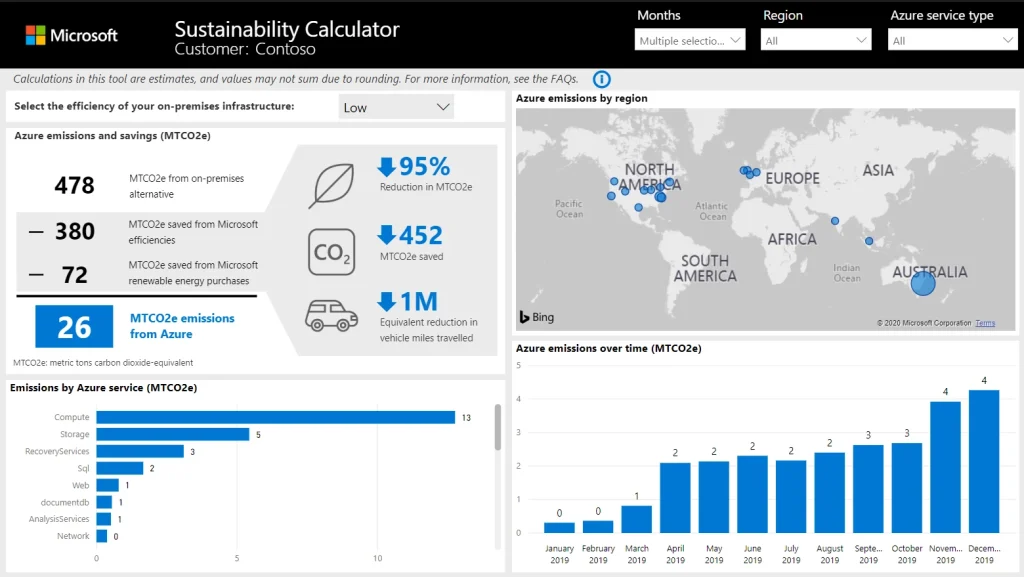
You can’t manage what you don’t measure. That old business adage is the absolute bedrock here. So, before you make any grand claims, you need rigorous carbon accounting. This isn’t just corporate social responsibility paperwork; it’s your operational blueprint.
For new ventures, the process breaks down into three core actions:
- Measure Relentlessly: Calculate your carbon footprint across all three scopes. Scope 1 & 2 (direct operations and energy) are the easy part. The real work is in Scope 3—the indirect emissions from your suppliers, your product’s use, and even its end-of-life. It’s messy, but it’s where the biggest insights hide.
- Reduce Aggressively: Design waste and emissions out of your system. Choose renewable energy, source sustainable materials, build efficient logistics, and create products that are durable and repairable. Reduction always comes before removal.
- Regenerate Proactively: This is the “positive” part. Invest in high-quality carbon removal projects—think verified direct air capture, enhanced weathering, or restoring native ecosystems. The goal is to permanently remove carbon, not just avoid its release.
Carbon Accounting: Your Startup’s Financial Ledger for the Planet
If your P&L statement tracks money, carbon accounting tracks your environmental impact. It’s the quantitative backbone of your climate strategy. And starting from scratch? Honestly, it’s a huge advantage.
You get to choose the right tools and frameworks from the beginning. The Greenhouse Gas Protocol is the global standard, and using it early ensures credibility. There are also fantastic software platforms now—like Watershed or Normative—that integrate with your financial data, making this process less of a manual nightmare.
Here’s a simple breakdown of what to track, right from your first day:
| Emission Scope | What It Includes | Startup Example |
| Scope 1 (Direct) | Fuel in company vehicles, on-site gas boilers | Your delivery van’s gasoline |
| Scope 2 (Indirect – Energy) | Purchased electricity, heat, and cooling | Power for your office/workshop |
| Scope 3 (Indirect – Value Chain) | Purchased goods, business travel, waste, product use, investments | Emissions from your raw materials, shipping, employee commutes |
The key takeaway? For most businesses—especially product-based ones—over 80% of emissions lurk in Scope 3. Ignoring them means ignoring the biggest part of your impact.
Turning Theory into Action: A Practical Blueprint
Okay, so you’re convinced. But how do you actually do this while also trying to hit your first revenue target? It’s about smart, integrated choices, not perfection.
1. Design with the End in Mind
Your product’s biggest environmental impact is often decided in the design phase. Adopt circular economy principles. Can you use recycled or regenerative materials? Is it modular for easy repair? What happens to it when the customer is done? This mindset reduces future emissions and waste—dramatically.
2. Choose Your Partners Wisely
Your carbon footprint is the sum of your network’s footprints. Vet suppliers on their sustainability practices. Opt for logistics partners with electric fleets. This creates demand for green services and strengthens your entire chain.
3. Embed Carbon Removal into Your Cost Structure
Treat carbon removal like a fundamental cost of doing business. Allocate a percentage of each sale to fund verified removal projects. Be transparent about this with your customers—it’s a powerful part of your story.
4. Make Data Your Co-Founder
Don’t guess. Use carbon accounting data to make every decision, from which marketing channel to use (digital vs. print?) to where to host your next offsite. Let the numbers guide your path to efficiency.
The Real-World Hurdles (And How to Leap Them)
It’s not all smooth sailing. The two biggest pain points for new ventures are cost and complexity. High-quality carbon removal is expensive. Measuring Scope 3 emissions is complex when you have a fledgling supply chain.
That said… view these as temporary friction. Costs for removal tech are falling. Tools are getting simpler. And the alternative—waiting until you’re bigger to start—means a much harder, more expensive retrofit later. Starting small and scaling your climate efforts alongside your revenue is the smart play.
Another hurdle? Greenwashing accusations. The antidote is radical transparency. Share your footprint, your methodology, your reduction roadmap, and the specific removal projects you support. Admit what you don’t know yet. Authenticity builds trust far more than flawless claims ever could.
The Bottom Line: It’s Just Good Business
Implementing a climate-positive model isn’t just altruism. It’s a formidable competitive edge. It future-proofs your venture against rising carbon taxes and shifting regulations. It attracts mission-aligned investors who see long-term value. It builds fierce loyalty from employees and customers who want to be part of the solution.
You know, in the end, building a business today is an act of faith in the future. A climate-positive venture makes that faith tangible. It says the future you’re betting on is not just profitable, but livable. It’s a commitment written not just in a mission statement, but in the very molecules of the atmosphere.
The question isn’t really if you can afford to do this. It’s whether, looking back a decade from now, you can afford not to have started.